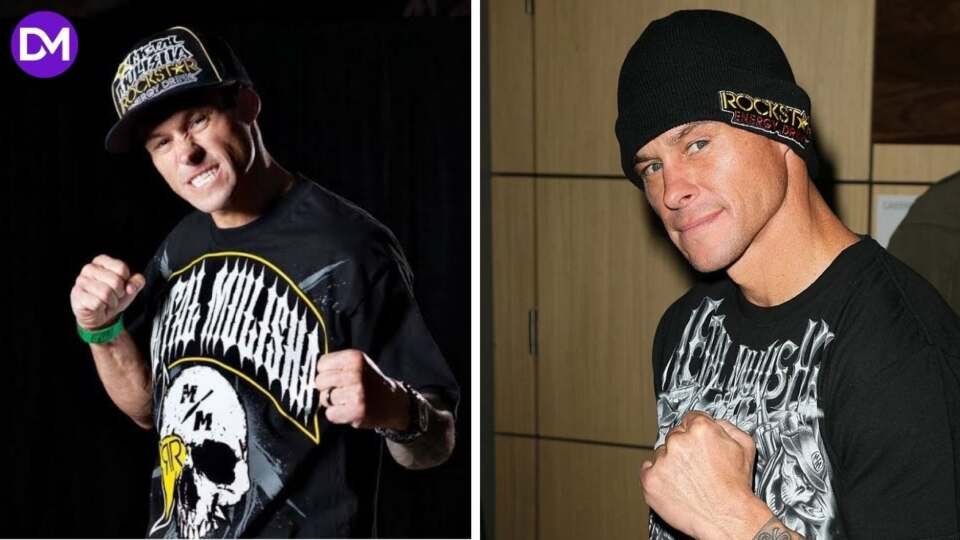
When Brian Deegan sent his Yamaha riderless across the finish line after winning the 1997 Los Angeles Supercross 125cc main event, the celebration did more than shock officials. It gave action-sports fans an unforgettable image and turned a privateer racer into a marketable personality. The moment anticipated the business model that would later support his wealth: competitive credibility, memorable content, a distinct identity, and products built around that identity.
In 2026, Brian Deegan’s net worth is commonly estimated at about $10 million. Racing contributed to that figure, but prize checks tell only a small part of the story. His financial growth is more closely connected to Metal Mulisha, sponsorship agreements, licensed apparel, branded automotive products, media work, appearances, and the family-led digital business associated with the Deegan 38 name.
Deegan’s career is best understood as a sequence of calculated pivots. He moved from conventional motocross to freestyle when the new discipline offered stronger visibility and earning potential, shifted toward trucks and rally cars as injuries accumulated, and later transformed family racing into a multi-platform media and sponsorship operation.
Quick Facts
| Field | Details |
|---|---|
| Full name | Brian Deegan |
| Nickname | The General |
| Date of birth | May 9, 1975 |
| Age in 2026 | 51 years old |
| Birthplace | Omaha, Nebraska, United States |
| Nationality | American |
| Height | 5 feet 9 inches (1.75 meters) |
| Main professions | Racer, team owner, entrepreneur, media personality |
| Racing disciplines | Supercross, freestyle motocross, rallycross, off-road trucks |
| X Games record | 16 medals, including four golds |
| Net worth estimate | About $10 million |
| Wife | Marissa Deegan |
| Children | Hailie, Haiden, and Hudson Deegan |
From Omaha Privateer to Action-Sports Figure
Deegan began riding at about eight years old after a neighbor introduced him to motocross, and he entered competition around age ten. At 17, he left Omaha for Southern California with a dirt bike, an old truck, and limited resources. The move placed him near the teams, tracks, sponsors, and media operations that controlled the professional motocross pipeline.
His early experience was financially lean. Deegan later described renting a small room and earning little as a top-ten racer, a background that shaped his attitude toward conventional factory racing. That frustration became commercially useful: instead of presenting himself as a polished corporate athlete, he built an image around the privateer who had to create his own opportunity.
The 1997 Ghost Ride and Commercial Breakthrough
The breakthrough came at the Los Angeles Memorial Coliseum in 1997, where Deegan won the 125cc West main event as a privateer. He jumped from the motorcycle before the line and allowed it to cross without a rider, creating the famous ghost ride. It was an act of celebration, rebellion, and self-promotion compressed into a few seconds.
The commercial importance of the moment was larger than the race purse. Fans remembered the stunt, media outlets replayed it, and Deegan acquired a public identity that sponsors and video producers could sell. His later career repeatedly followed the same formula: perform something difficult, make the moment visually distinctive, and convert attention into longer-term brand value.
Commercial turning point: The ghost ride converted a privateer victory into a lasting piece of action-sports media, giving Deegan an identity that could support sponsors, merchandise, films, and appearances.
X Games Results That Expanded His Market Value
Deegan became one of the defining competitors of early freestyle motocross and accumulated 16 X Games medals, including four gold medals, across Moto X and rally events. He was also the first rider to land a 360 in freestyle motocross competition, a trick widely associated with the name Mulisha Twist. Those achievements gave him lasting authority in a sport built around innovation and risk.
The medals mattered financially because the X Games delivered a global television platform. Competition appearances placed Deegan’s clothing, logos, sponsors, and riding crew in front of audiences far beyond traditional motocross. His tricks were not merely athletic results; they became replayable media assets that helped Metal Mulisha sell a recognizable lifestyle.
Brian Deegan Net Worth and Wealth Breakdown
Why the $10 Million Estimate Needs Business Context
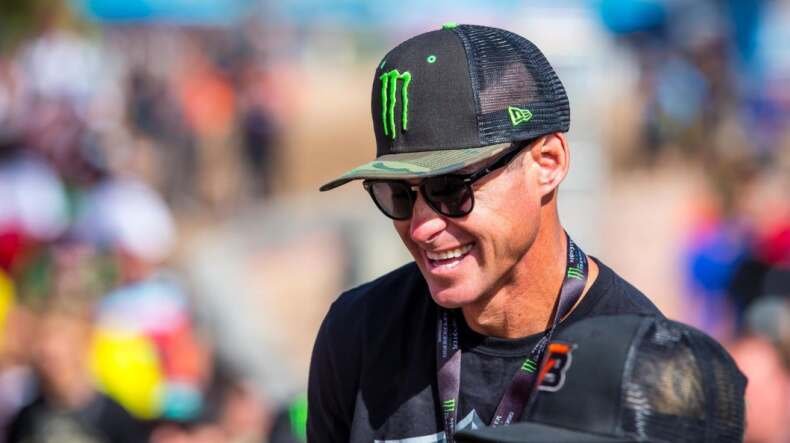
Brian Deegan’s $10 million net worth estimate is best viewed as the result of several overlapping income streams rather than one exceptional salary. Racing and appearances established his reputation, while brand ownership, apparel licensing, endorsements, product collaborations, films, family content, and motorsports infrastructure extended the earning life of that reputation.
A crucial distinction is that company revenue is not personal wealth. Metal Mulisha reached more than $30 million in annual revenue at its peak, but those sales supported manufacturing, distribution, payroll, marketing, retail operations, licensing arrangements, and taxes. The figure demonstrates the scale of the enterprise and the commercial leverage behind Deegan’s name.
Estimated Wealth Sources and Commercial Impact
| Wealth Source | Strategic Role | Estimated Scale / Impact |
|---|---|---|
| Metal Mulisha | Brand equity, apparel licensing, merchandise, and royalty potential | $30M+ peak annual brand revenue, corporate licensing, and national retail scale |
| Corporate sponsorships | Paid partnerships, campaign exposure, demonstrations, and athlete marketing | Multi-year relationships across action sports, automotive, tools, safety gear, and energy drinks |
| Deegan 38 products | Co-branded off-road tires, wheels, and aftermarket product identity | National product line launched in 2013–2014, with multi-year retail and licensing impact |
| Competition and appearances | Prize money, event fees, demonstrations, and media visibility | 16 X Games medals, four golds, plus rallycross and off-road championship value |
| Films and digital media | Advertising, sponsor integrations, merchandise promotion, and owned content | About 1.51 million YouTube subscribers and 484 million-plus views by July 2026 |
| Family racing platform | Cross-promotion linking Brian, Hailie, Haiden, Hudson, teams, and sponsors | Multigenerational racing contracts, merchandise reach, and recurring audience value |
| Training infrastructure | Tracks, shops, vehicles, equipment, and property supporting racing and content | Capital-intensive operating base with long-term sporting and media utility |
Financial takeaway: Deegan’s wealth was not built by race purses alone. The strongest value came from turning competitive attention into brand equity, licensing, products, sponsorships, and an owned media audience.
How Metal Mulisha Became the Core Business
From Riding Crew to Licensable Brand
Deegan and fellow freestyle pioneer Larry Linkogle helped build Metal Mulisha from an anti-establishment riding crew into an action-sports brand. The skull-and-helmet imagery, dark apparel, rider videos, live demonstrations, and blunt personality created a strong identity when freestyle motocross was developing an audience separate from traditional racing.
La Jolla Group and Retail Scale
The turning point was operational scale. By the late 2000s, La Jolla Group held the license for Metal Mulisha clothing and supplied manufacturing, sales, marketing, and retail infrastructure. The arrangement moved the brand beyond gear trailers and specialty shops while the riders continued to supply credibility, content, and cultural relevance.
Business model: Metal Mulisha separated brand culture from day-to-day apparel operations. That allowed the founders’ image and audience to remain valuable while an established company handled production and distribution.
Sponsorships, Deegan 38, and Product Licensing
Named Corporate Partnerships
Deegan’s own career and the wider family racing platform have been connected with major names including Monster Energy, Rockstar Energy, Ford Racing, K&N, Alpinestars, Mickey Thompson, Makita, and Shoei. A three-year Rockstar Energy agreement beginning in 2007 linked Metal Mulisha riders with demonstrations and promotions, while Ford Racing and off-road partners supported his transition into trucks and rallycross.
These relationships show why sponsor value extended beyond podium results. Deegan offered brands a recognizable personality, a loyal action-sports audience, live-event visibility, product credibility, family storytelling, and years of reusable video content. That combination made him useful to companies in energy drinks, automotive performance, tools, protective equipment, tires, and apparel.
The Deegan 38 Product Strategy
The Mickey Thompson Deegan 38 line was especially important because it converted his racing number into a product identity. A Deegan 38 mud-terrain tire debuted in 2013, followed by a wheel line announced in 2014. The collaboration placed his name directly on products purchased by off-road enthusiasts rather than limiting the relationship to logos on a race vehicle.
Mickey Thompson stopped manufacturing Deegan-branded tires in 2021, but the partnership remains a strong example of athlete licensing. It extended Deegan’s commercial reach into the aftermarket truck category, created a multi-year retail presence, and gave the Deegan 38 name value independent of any single race result.
The Strategic Move From Two Wheels to Four
As freestyle motocross became harder on his body, Deegan expanded into rallycross and short-course off-road trucks. He earned two X Games rally silver medals in 2010 and won RallyCross gold in 2011. He also collected major results and championships in the Lucas Oil Off Road Racing Series, proving that his competitive identity could survive a change of vehicle.
The transition made business sense as well as sporting sense. Four-wheel racing opened stronger relationships with automotive and aftermarket companies while reducing dependence on one narrow freestyle career. It also gave Deegan 38 a logical home in the off-road market and prolonged his usefulness to sponsors after his peak years as an FMX rider.
The Crash That Changed His Risk and Business Strategy
In May 2005, Deegan suffered a near-fatal crash while filming a backflip stunt in Philadelphia. Wind affected the rotation, the motorcycle came down incorrectly, and the handlebars struck his abdomen. The injuries included major blood loss, a damaged artery and spleen, and the removal of one kidney. The accident placed the cost of his profession in unmistakable terms.
The experience sharpened his focus on assets that did not require another dangerous jump. Soon afterward, he became more involved in correcting Metal Mulisha’s business operations and building a financial structure beyond performance fees. The crash did not end his competitive life, but it strengthened the logic behind licensing, equity, management, and four-wheel racing.
Marissa and the Deegan Family Racing Enterprise

Marissa’s Operational Role
Brian and Marissa Deegan have three children: Hailie, Haiden, and Hudson. Marissa has been central to the family operation, helping manage travel, filming, schedules, parenting, and the demands of raising young racers in public. The family identity is not a side story; it has become one of the most commercially durable parts of the Deegan brand.
A Multi-Generation Racing Platform
Each child gives the platform a different motorsports connection. Hailie competed full-time in INDY NXT in 2025 before returning to selected stock-car competition in 2026. Haiden races for Monster Energy Yamaha Star Racing and has become a major Supercross and motocross attraction. Hudson has developed through youth motorsports and family content.
Enterprise value: The Deegan name now operates across several athletes, racing disciplines, teams, sponsor categories, and content channels. That reduces dependence on Brian’s personal competition schedule and gives the family brand a longer commercial life.
Lifestyle, Training, and the Florida Move
Deegan’s visible lifestyle centers on race shops, training tracks, motorcycles, trucks, travel, testing, filming, and family events. Vehicles and property appear in the content, but they are usually presented as working parts of the racing operation rather than detached luxury purchases. That distinction fits the identity Deegan has maintained since his privateer years.
The family moved from California to Tallahassee, Florida, to place Haiden near the Star Racing operation, including its engine, suspension, team, and track facilities. Brian has described this concentration of resources as a proven formula: train near the shop, identify problems quickly, and fix them without losing days to distance or logistics.
Social Media Presence and Digital Brand Value
Owned Audience and Channel Scale
Brian’s principal Instagram identity is @briandeegan38, while the family’s YouTube channel operates as The Deegans under the @deegan38 handle. By July 2026, the channel had approximately 1.51 million subscribers, more than 484 million total views, and over 1,700 uploaded videos, giving the family a substantial owned-media archive.
Sponsor Integration and Long-Term Value
The commercial value extends beyond advertising payments. Videos provide sponsor visibility, race-weekend storytelling, merchandise promotion, audience data, and cross-promotion for Hailie and Haiden. Brian has described social media as a way to build the value of a racer’s name, and the family’s long-term content strategy puts that principle into practice.
Interesting Facts About Brian Deegan
- He has been riding motorcycles since 1983, beginning at about eight years old.
- His first car was a 1974 Oldsmobile Cutlass Supreme, which was also the car in which he learned to drive.
- He once listed filmmaking as a personal hobby, matching his long involvement in action-sports videos.
- He named his father as his hero in an athlete profile.
- He received a 2004 ESPY nomination for Best Male Action Sports Athlete.
FAQs
How did Brian Deegan make most of his money?
Metal Mulisha, sponsorships, product collaborations, media, and racing created a broader financial base than prize money alone.
Does Brian Deegan still have a role in Metal Mulisha?
He remains identified with the brand as a co-founder and central public figure, while apparel operations have used outside licensing support.
What was the Deegan 38 product line?
Deegan 38 was a Mickey Thompson range of co-branded off-road tires and wheels connected to Brian’s number and truck-racing career.
Why did the Deegan family move to Florida?
The family moved to Tallahassee so Haiden could train near Monster Energy Yamaha Star Racing’s team, workshops, and tracks.
Is Brian Deegan still involved in racing?
Yes. He remains active around off-road motorsports and plays a major mentoring, management, and strategic role in his children’s careers.
Conclusion
Brian Deegan’s net worth is rooted in a career-long ability to turn attention into durable commercial value. The 1997 ghost ride, X Games medals, Mulisha Twist, Metal Mulisha identity, named corporate partnerships, Deegan 38 products, and digital family platform each added a different layer to a business model that outlasted his peak freestyle years.
His greatest financial achievement may be the structure rather than any single deal. Deegan built a name that could move from motorcycles to trucks, from apparel to hardware, and from one athlete to an entire racing family. That adaptability explains why Brian Deegan net worth remains tied as much to entrepreneurship and media strategy as to trophies.
Discover more action sports legends and their fortunes at Divide Magazine