When thousands of fans enter a stadium for a concert by The Weeknd, Lady Gaga, or Paul McCartney, the enormous visuals surrounding the stage must operate with the precision of the music. Every frame must appear at the correct moment, every screen must receive the intended signal, and every playback system needs a dependable backup.
Loren Barton has built his career inside this demanding production environment. As a screens producer, technical producer, media-server specialist, and founder of Lumentech Inc., he helps transform creative concepts into reliable visual systems for global concert tours, festivals, television specials, corporate presentations, and international sports events.
Quick Facts
| Field | Details |
|---|---|
| Full name | Loren Barton |
| Profession | Screens producer and technical producer |
| Company | Lumentech Inc. |
| Professional base | Bend, Oregon, United States |
| Education | Carnegie Mellon University |
| Degree | Bachelor of Fine Arts in Drama |
| Graduation year | 2008 |
| Early specialist role | Green Hippo product specialist at TMB |
| Core expertise | Screens production, media servers, projection, and programming |
| Major recognition | 2023 Primetime Emmy nominee |
| Spouse | Felicia Barton |
| Child | Malachi Barton |
| Website | lorenbarton.com |
From Community Theater to Carnegie Mellon
Barton’s path into live production began in a small community-theater environment, where he volunteered on lighting, sound, plays, concerts, dance recitals, and variety performances. These early projects introduced him to the practical realities of live entertainment, including limited preparation time, shared equipment, changing performance needs, and the importance of dependable backstage teamwork.
He later attended Carnegie Mellon University, an institution widely associated with drama and technical-theater training. Barton earned a Bachelor of Fine Arts in Drama in 2008, developing a foundation in production planning, theatrical design, visual storytelling, and the disciplined execution required to support a live performance.
Developing Expertise in Media-Server Technology
Barton entered the professional industry when digital video was becoming increasingly important to concerts, theatrical productions, and television events. From 2007 to 2012, he worked as a Green Hippo product specialist for TMB, gaining detailed experience with Hippotizer media servers, content preparation, playback systems, projection, programming, and technical troubleshooting.
A media server receives visual files and distributes them across display surfaces during a performance. The system may send different images to LED walls, scenic screens, projection canvases, or broadcast outputs while remaining synchronized with lighting, music, cameras, and stage automation.
Early Projects and the Move Into Touring
Barton’s early professional credits included work in theater, opera, television, award shows, festivals, and concert touring. These environments required screen systems that could be installed quickly, adjusted for different venues, and operated consistently while creative teams continued refining content during rehearsals.
The experience helped Barton move beyond equipment-focused technical work into broader responsibilities involving programming, system planning, production coordination, and visual delivery. Touring also taught him how to maintain one creative show across venues with different dimensions, rigging limitations, power systems, and technical infrastructures.
Founding Lumentech
Barton founded Lumentech Inc. as a specialized company providing video and media design, programming, consulting, screens production, and technical support. Based in Bend, Oregon, the company works across concert touring, television, theater, dance, architecture, corporate events, sports presentations, and other forms of live entertainment.
Lumentech operates as a bridge between creative direction and technical engineering. A designer may imagine a particular visual environment, but that concept must be translated into screen dimensions, playback files, signal routes, equipment requirements, staffing plans, control systems, and backup procedures before it becomes a functioning show.
What a Screens Producer Actually Does
A screens producer connects creative directors, content designers, programmers, video engineers, vendors, production managers, and performers. The role begins long before an audience arrives, with decisions involving screen placement, projection surfaces, media resolution, playback architecture, content delivery, camera integration, and the relationship between video and the physical stage.
The technical workflow can include pixel mapping, media-server programming, codec testing, signal routing, frame synchronization, timecode integration, canvas management, and redundant playback. Each visual file must match the dimensions and layout of the production’s digital canvas so content appears correctly across every display surface.
Creative teams frequently revise visuals during rehearsals, meaning new files may need to be rendered, checked, transferred, programmed, and tested shortly before a performance. File naming, version control, communication, and approval procedures are essential when several departments are making changes at the same time.
Professional systems are also designed with backup paths that can take over after a hardware fault, signal interruption, or software problem. Barton’s contribution is therefore not limited to creating impressive imagery; it includes building workflows capable of surviving the pressure of a live audience or global broadcast.
Global Concert Work and Major Collaborations
Barton’s concert-production record includes projects involving Lady Gaga, The Weeknd, Ariana Grande, Paul McCartney, Beyoncé, Maroon 5, Green Day, Nine Inch Nails, BTS, Jennifer Lopez, Kelly Clarkson, and BIGBANG. His responsibilities have ranged from projection consulting and media-server programming to screens direction and full technical production.
These artists require very different visual approaches. A theatrical pop production may rely on rapid content changes and carefully synchronized choreography, while a rock or legacy-artist tour may prioritize live-camera integration, readable imagery, and reliable operation across arenas with different technical conditions.
Barton has maintained professional relationships across multiple touring cycles. His Lady Gaga credits span productions including ArtRave, Joanne, the Chromatica Ball, and Mayhem, while his work with Paul McCartney includes the One on One, Freshen Up, and Got Back tours.
Returning to an artist’s production allows a screens specialist to preserve knowledge of the performer’s visual identity while adapting the system to new stage designs, updated content, larger venues, changing equipment, and more demanding broadcast requirements.
The Weeknd and an Emmy-Nominated Stadium Special
Barton has played an important role in visual productions for The Weeknd, including festival appearances, television performances, and the large-scale After Hours Til Dawn stadium tour. Stadium productions require systems that remain visually powerful across enormous spaces while serving audiences seated at very different distances and viewing angles.
His work on The Weeknd: Live at SoFi Stadium contributed to a 2023 Primetime Emmy nomination in the category of Outstanding Lighting Design and Lighting Direction for a Variety Special. The recognition reflected the coordinated work required to transform a stadium concert into a polished television production.
A filmed concert creates challenges beyond those of a standard tour date. Lighting, LED video, camera exposure, playback timing, stage movement, and broadcast direction must work together, because a visual that appears powerful to the live audience may behave differently when captured by television cameras.
Barton’s combined background in theatrical lighting, media servers, live programming, and screens production made him well suited to this hybrid environment. The Emmy nomination remains one of the clearest public recognitions of his contribution to large-scale visual entertainment.
Coachella and Outdoor Production Challenges
Coachella has appeared repeatedly throughout Barton’s career, placing him within productions that must operate under strict schedules and challenging desert conditions. Festival teams often receive limited installation and rehearsal time, yet the completed visual system must still meet the expectations of artists, creative directors, live audiences, and broadcast viewers.
Outdoor events introduce risks that are less common inside arenas. Dust can affect optical equipment, heat can influence electronics, wind can limit projection surfaces, and short artist changeovers reduce testing time. Equipment must also remain effective through bright daylight, darkness, and rapidly shifting temperatures.
For Lana Del Rey’s 2024 Coachella production, Barton oversaw projection and content delivery while the technical team prepared for environmental conditions that could interfere with the intended design. An LED-based alternative was created to preserve the visual narrative if the projection surface became unsafe or impractical.
This type of contingency planning illustrates the wider responsibility of a technical producer. The goal is not simply to build one ideal system, but to identify possible points of failure and create a second path that protects the artistic intention without interrupting the performance.
Formula 1 and Large-Scale Broadcast Production
Barton’s work extends beyond music into Formula 1 events and international broadcasts. He served as a screens and technical producer for F1 75 Live, the Formula 1 season-launch presentation staged at London’s O2 Arena and structured around individual presentations from all ten racing teams.
A production involving ten teams requires careful organization of branding, playback files, cue sequences, stage content, and broadcast timing. Each team must retain its own visual identity while operating within one shared technical system, making content management and rehearsal discipline particularly important.
His Formula 1 credits also include work connected with events in Las Vegas, where sports presentation, entertainment, sponsorship, live audiences, and global broadcast requirements intersect. These productions demonstrate how screens expertise can transfer from concert touring into corporate and sports environments.
Sports entertainment may combine pre-produced films, live cameras, graphics, sponsor material, and event information. Although the creative language differs from a concert, the technical priorities remain familiar: accurate playback, reliable signals, synchronized cues, clear communication, and carefully planned redundancy.
Family Life in the Entertainment Industry
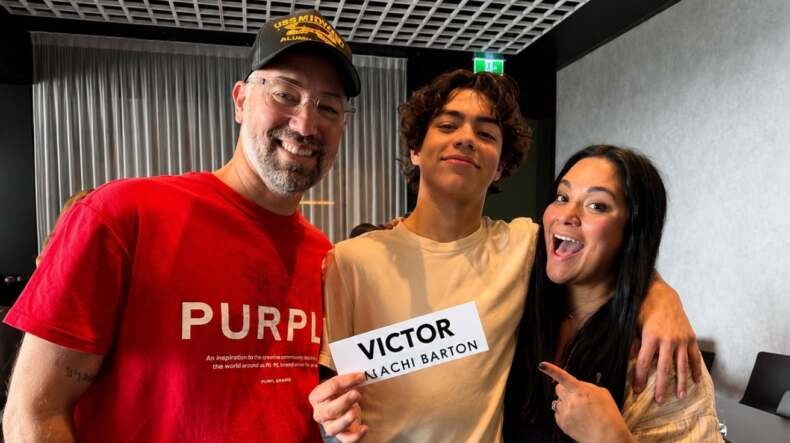
Loren Barton is married to Felicia Barton, a singer and songwriter who appeared during the eighth season of American Idol. Her professional background includes vocal performance, recording, and songwriting, giving the family a direct connection to the music industry that often overlaps with Loren’s production world.
Their son, Malachi Barton, developed his own career as an actor. He became familiar to young audiences through Disney productions, including Stuck in the Middle, and later expanded his screen credits through projects such as Zombies 4.
The Barton family represents three distinct sides of entertainment. Loren works primarily in technical and production leadership, Felicia’s career centers on music and songwriting, and Malachi’s work is performance-driven.
Their careers also demonstrate how much entertainment work occurs away from public view. Auditions, recording sessions, rehearsals, tour preparation, technical planning, travel, and production meetings all take place before a finished performance reaches its audience.
Professional Lifestyle and Working Philosophy
A touring technical producer’s schedule can involve design reviews, equipment testing, content preparation, previsualization, programming, rehearsals, overnight travel, venue load-ins, and immediate troubleshooting. Barton’s professional life moves between offices, arenas, stadiums, television stages, festival sites, and temporary production-control areas.
Large shows are rarely completed by one individual. Screens production depends on cooperation among creative directors, video designers, engineers, programmers, camera teams, lighting departments, vendors, stage managers, and local crews.
Adaptability is essential because no two venues behave in exactly the same way. Rigging limitations, network infrastructure, power distribution, screen dimensions, camera positions, and setup schedules can change from one location to another, even when the artistic show remains consistent.
Effective technical leaders create an organized environment in which problems can be solved without distracting performers or compromising the audience experience. Barton’s returning collaborators reflect a professional approach built around preparation, communication, and dependable execution.
Industry Education and Professional Influence
Barton has shared his technical knowledge through professional gatherings attended by designers, programmers, engineers, educators, manufacturers, and production specialists. These events support the exchange of ideas across theater, touring, broadcast, projection, and live-event technology.
His participation adds an educational dimension to a career otherwise focused on individual productions. Barton can discuss media technology from both creative and engineering perspectives because his background combines formal theatrical education with practical touring experience.
The ability to communicate between departments is especially valuable in screens production. Designers may describe emotion, movement, and visual atmosphere, while engineers must convert those ideas into workable resolutions, signal paths, playback systems, and equipment plans.
Complex technology becomes effective only when artists, vendors, programmers, and production teams understand how their decisions affect one another. Barton’s career demonstrates the importance of professionals who can translate clearly between those different working languages.
Social Media and Public Presence
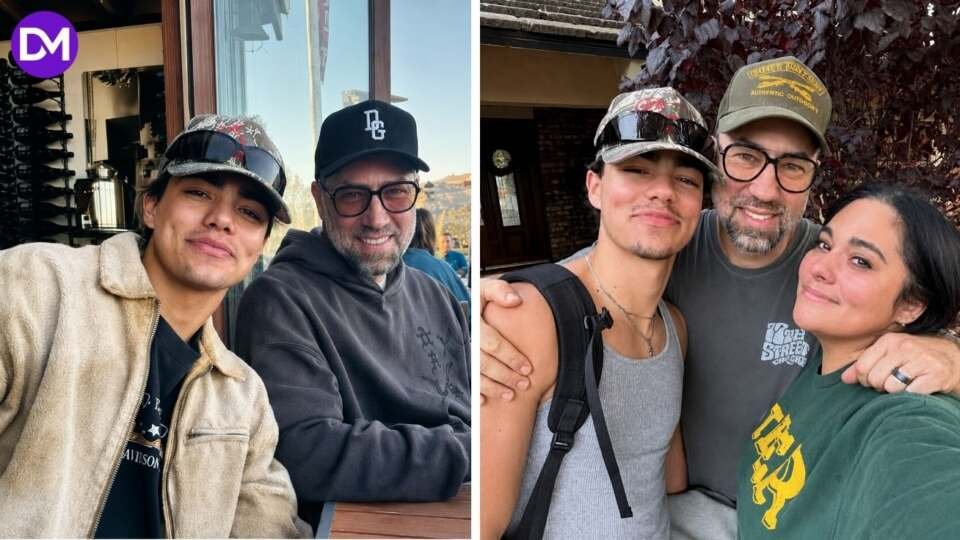
Loren Barton maintains an active presence on Instagram through his official account, @lorenbartonofficial, where he shares family moments, travel experiences, behind-the-scenes glimpses, and appearances supporting his son, actor Malachi Barton.
He also uses LinkedIn to share updates on major productions, technical projects, and industry collaborations. His official website, lorenbarton.com, highlights his portfolio, selected work, and professional experience, offering a broader look at his career in live entertainment production.
His official website, lorenbarton.com, and the Lumentech portfolio provide information about selected credits, production services, technical experience, and past projects. These channels serve as career resources for producers, designers, employers, and other professionals working in live entertainment.
Interesting Facts About Loren Barton
- Barton began working as a Green Hippo product specialist in 2007, before completing his Carnegie Mellon degree in 2008.
- His Carnegie Mellon senior work included a lighting-design project connected with the play Golden Boy.
- His Coachella experience stretches from the festival’s early large-scale projection era to modern stadium-level artist productions.
- Lumentech’s work connects creative design with practical services including programming, consulting, projection, and technical production.
- Barton has contributed to professional learning events associated with USITT, InfoComm, and LDI.
Frequently Asked Questions
Who is Loren Barton?
Loren Barton is a screens and technical producer who manages visual systems for concerts, festivals, television specials, and sports events.
What is Lumentech?
Lumentech Inc. is Barton’s company, providing media design, programming, projection, consulting, screens production, and technical support.
Which artists has Loren Barton worked with?
His credits include The Weeknd, Lady Gaga, Ariana Grande, Paul McCartney, Beyoncé, Green Day, BTS, and other international artists.
Why was Loren Barton nominated for an Emmy?
He received a 2023 Primetime Emmy nomination for lighting-direction work on the concert special The Weeknd: Live at SoFi Stadium.
What does a media server do during a concert?
A media server plays and distributes synchronized visual content to LED walls, projection surfaces, scenic displays, and broadcast outputs.
Conclusion
Loren Barton’s career reflects the transformation of concert video from a supporting element into a central part of live storytelling. His journey from community theater and Carnegie Mellon to stadium tours, festival headliners, television specials, and Formula 1 productions demonstrates how theatrical knowledge can develop into global technical leadership.
Through Lumentech and his collaborations with major creative teams, Barton has helped deliver visual systems that must be artistic, scalable, synchronized, and reliable. His Emmy nomination and extensive production record place him among the experienced professionals shaping how modern audiences see and experience live entertainment.
Discover more live entertainment production biographies at Divide Magazine